UzayTech

Uzay Chassis

Intelligent chassis systems that read the road ahead.

Intelligent Chassis, Intelligent Tire, and camera-perception Semi & Full Active E-Suspension — we redefine driving behaviour mathematically.

The chassis is no longer a mechanical component — it is a real-time decision system.

The relationship a vehicle builds with the road — steering response, cornering feel, pothole absorption — comes not from passive mechanical design alone, but from the unified decision-making of cameras, sensors, and real-time control algorithms. Uzay Chassis is the engineering embodiment of this new chassis paradigm. Our work areas merge classical vehicle dynamics know-how with modern perception and control technology.

  • Unified vehicle dynamics control architecture
  • Tire-embedded sensors and road-tire interaction modelling
  • Camera-perception look-ahead active suspension
  • Validation across track, road, and low-traction scenarios

By the numbers

Look-ahead

Road perception

Yaw + Roll

Unified control

Real-time

Tire state

ISO 26262

Safety alignment

Driving feel is a measurable engineering target.

Our Design Philosophy

Driving feel is a measurable engineering target.

The confidence a vehicle gives its driver — or the consistency that doesn't fatigue them — can be defined not in marketing language but in engineering language. Yaw response, roll gradient, vertical acceleration RMS, head-toss frequency: each is a target bound to numbers. We do the engineering that ties these targets to the customer's OEM-specific calibration philosophy.

Capability areas

Intelligent Chassis

/ 01

Intelligent Chassis

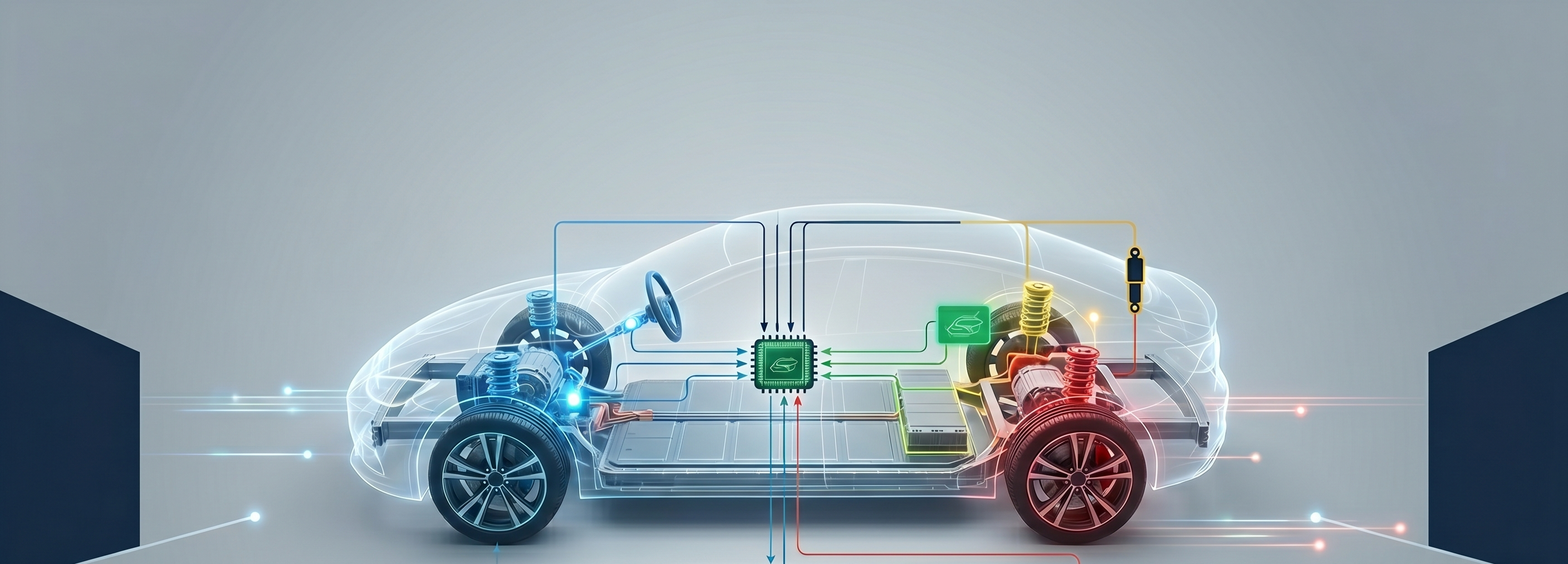
Intelligent Chassis coordinates braking, steering, and suspension under a unified control architecture. ESC, EPS, ASR, and semi/full-active damper controls stop being separate black boxes and become agents speaking through a shared vehicle-state estimation layer. The result is predictable consistency in driving behaviour. Which system intervenes first during oversteer, which parameter set gets triggered, and how the driver experience is affected — all become part of one mathematical model.

  • Unified lateral/vertical dynamics control architecture
  • Yaw, roll, pitch, and heave control algorithms
  • Coordinated arbitration with ESC, EPS, ASR
  • Calibration in track, road, and low-traction scenarios
  • OEM-specific driving character alignment
1 modelAll chassis systems
Intelligent Tire

/ 02

Intelligent Tire

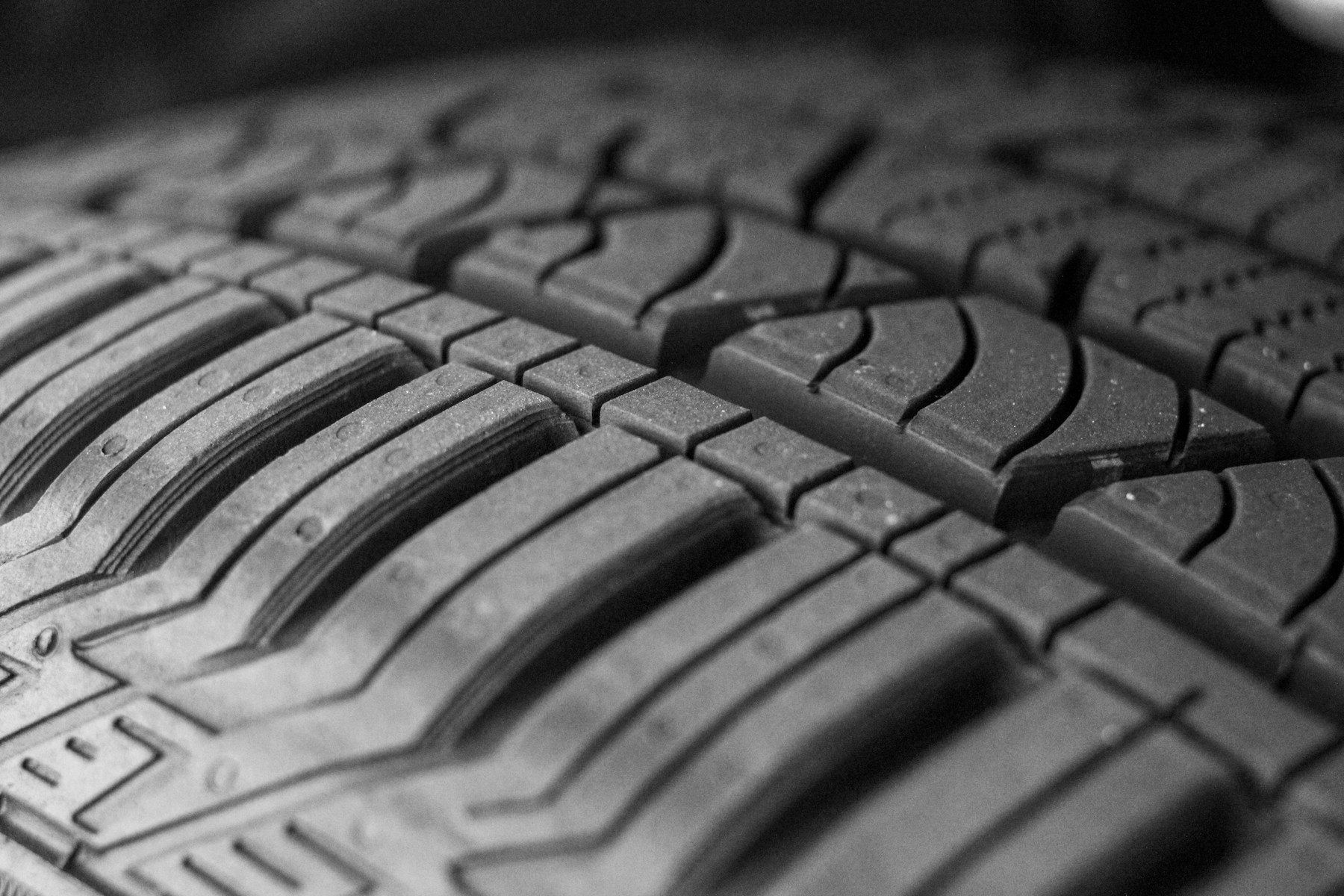
With sensors embedded in the tire and a connected data stream, we build predictive road-tire interaction models adaptive to environmental conditions. Wear, friction coefficient (μ), temperature, and load balance are monitored in real time and fed into ESC and suspension control. The tire is no longer a passive consumable but a sensor platform. In our work packages on data standardisation between the OEM and the tire manufacturer, tire telemetry becomes direct input to vehicle safety functions.

  • Tire pressure, temperature, and force sensor integration
  • Real-time estimation of road-tire interaction coefficient (μ)
  • Adaptive wear and load-balance monitoring
  • OEM-tire manufacturer data standardisation
  • Safety signals propagated to ESC and suspension
μ liveLive grip estimation
Semi & Full Active E-Suspension with Camera Perception

/ 03

Semi & Full Active E-Suspension with Camera Perception

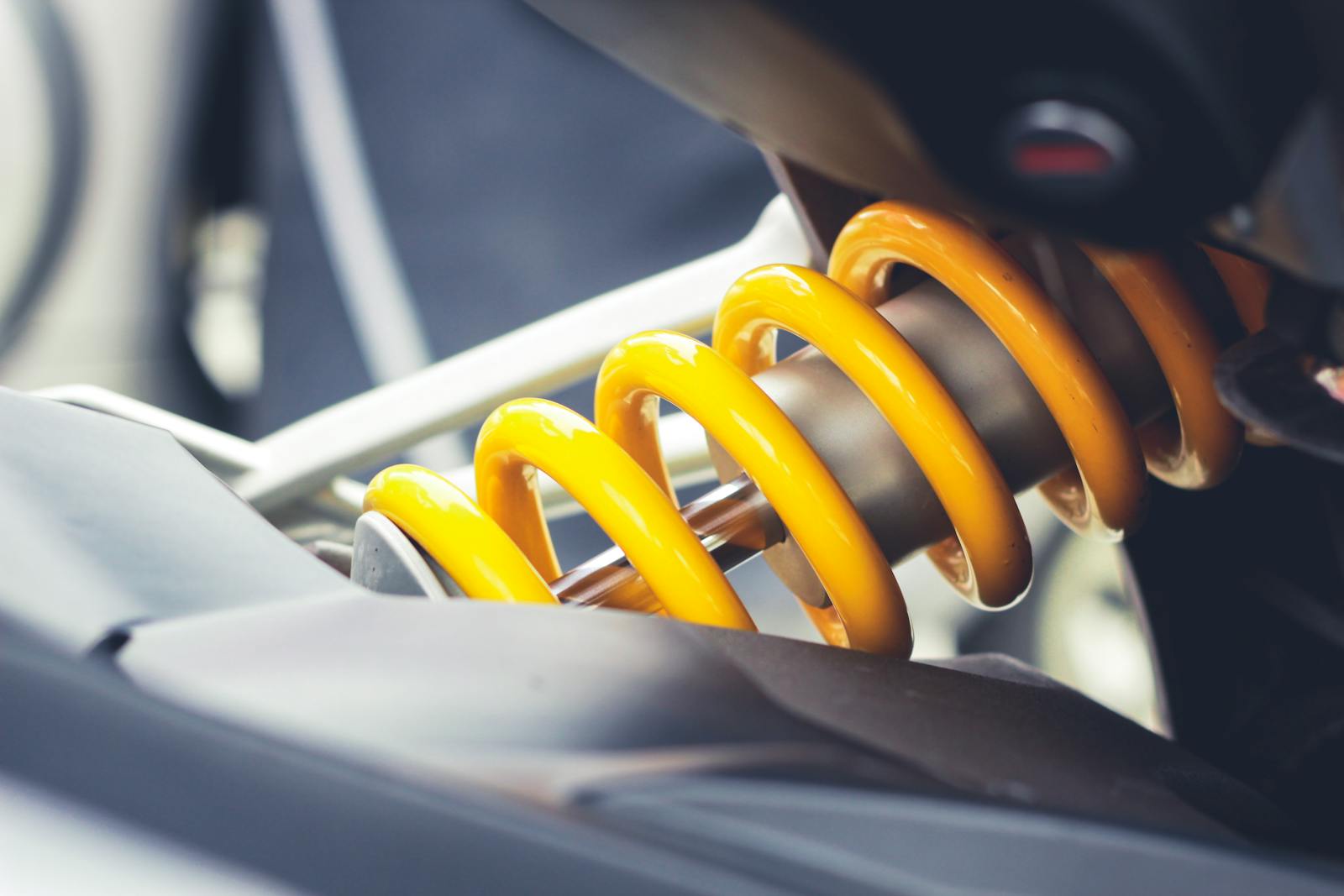
We develop semi-active and full-active electrohydraulic suspension systems that read the road ahead through front cameras. The look-ahead control layer — predicting incoming disturbances (bumps, potholes, surface transitions) within milliseconds — provides comfort performance far above classical reactive damper control. ML-based road-surface classification algorithms adapt parameters across every scenario, from highway to deteriorated dirt road.

  • Camera-based look-ahead road sensing (ResNet, EfficientNet)
  • Semi-active damper (CVD) and full-active electrohydraulic actuator control
  • Dynamic arbitration between ride comfort and handling modes
  • Real-time disturbance prediction and compensation algorithms
  • Continuously learning ML models for surface classification
<50 msLook-ahead reaction time

How we work

Chassis development in four steps

  1. 01

    Target Behaviour Definition

    The customer's brand character and driving-feel targets are translated into numerical parameters.

  2. 02

    Model-Based Design

    Control algorithms developed in MATLAB/Simulink, CarMaker, and IPG environments.

  3. 03

    Track & Road Calibration

    Iterative calibration on the real vehicle, OEM test track, and across diverse surface conditions.

  4. 04

    Production Validation

    End-of-line validation, durability tests, and OEM acceptance processes.

Why UzayTech?

Depth in chassis engineering.

/01

Unified-control expertise

Bringing ESC, EPS, ASR, and damper controls under one vehicle-state estimation layer.

/02

Field calibration discipline

Track, road, winter, deteriorated surface — iterative calibration capability in real scenarios.

/03

ML-assisted perception

Camera-based surface classification and look-ahead control — production-grade ML.

A great chassis is silent. The driver realises how much engineering was spent only when they feel safe.
Uzay Chassis Design Doctrine

Build intelligent chassis capability into your vehicle.

Reach out for chassis control, tire data integration, or active suspension development.