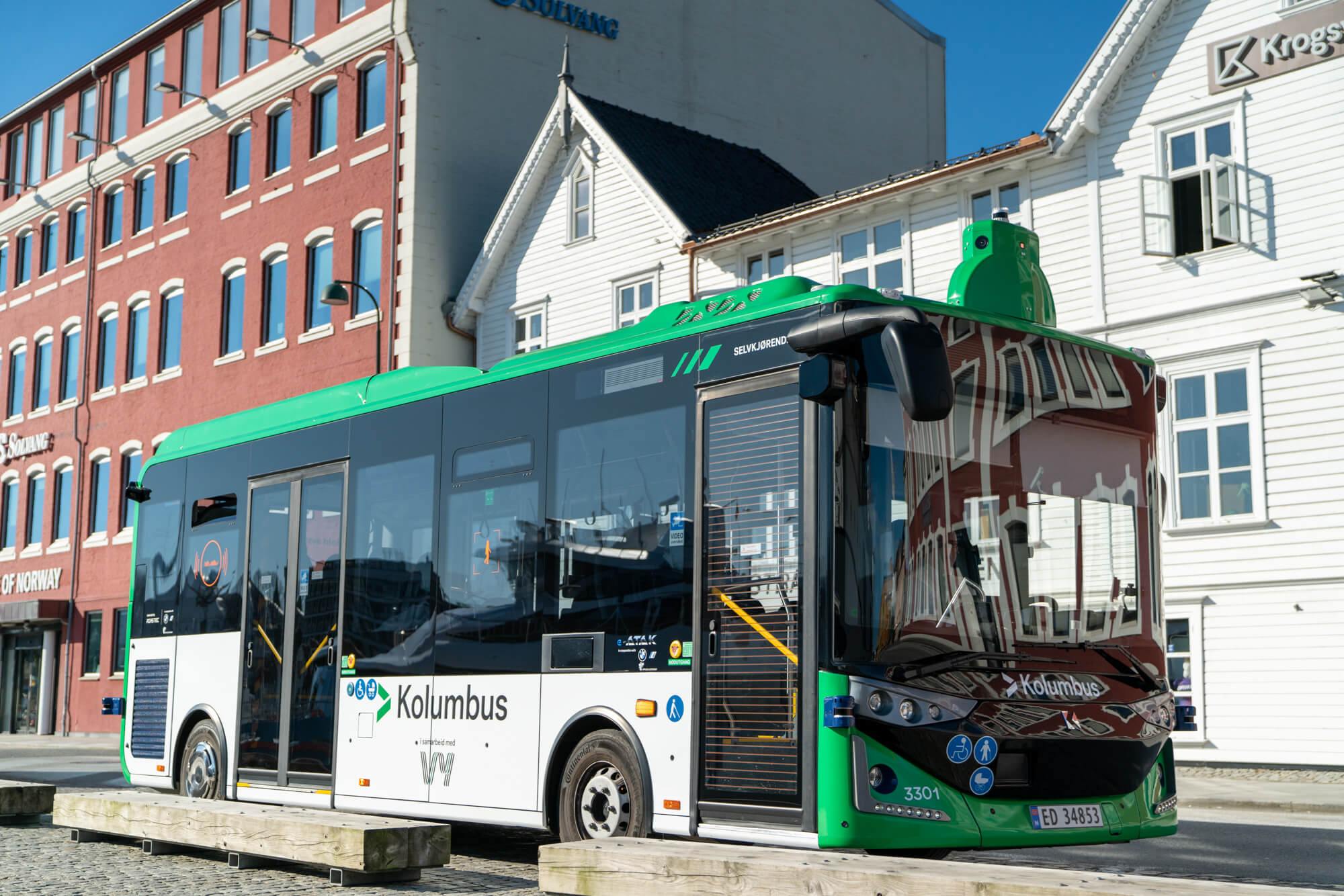
PROMISE is funded by the European Union's Driving Urban Transitions (DUT) programme to help European cities move from car dependency to a sustainable transport vision built around micromobility. Uzay Tech is the technical backbone of the project's Türkiye consortium.
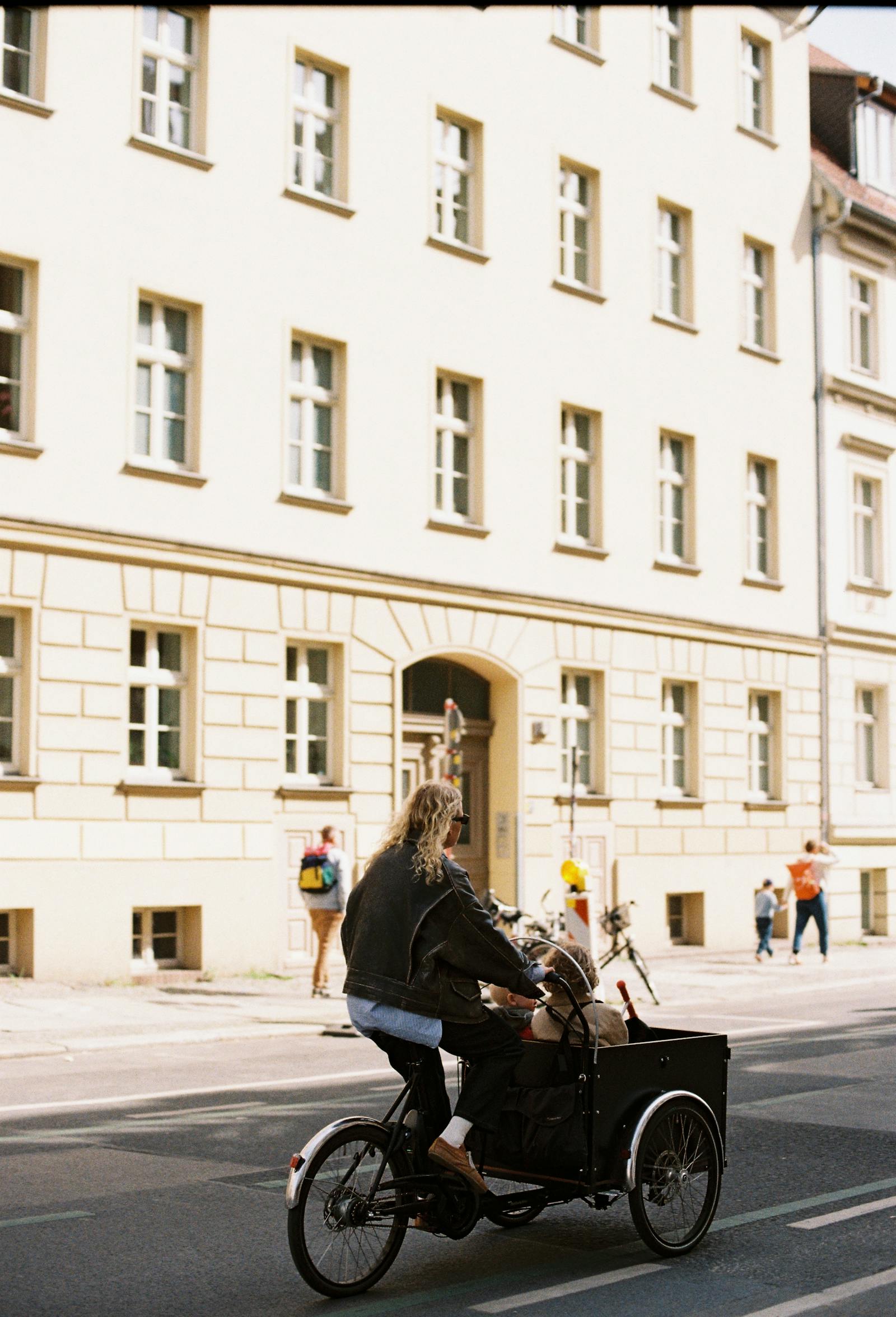
PROMISE's own framing makes the mission unmistakable: "make micromobility the heartbeat of the 15-minute city." That vision is about more than adding e-scooters, e-bikes and cargo bikes to existing infrastructure — it is about integrating them with deliberate policy decisions and engineering support. The project's core technical output is a Geographic Information System (GIS)-based Micro-Mobility Decision Support Tool (MDST).
Five European cities, five Living Labs
The PROMISE consortium runs five Living Lab pilots in parallel to test the toolset's effectiveness across distinct urban contexts. Brașov in Romania explores the interaction between low-emission zones and micromobility; Osmangazi (Bursa) in Türkiye delivers multimodal transport connecting the city centre; Rethymno in Greece focuses on safe tourist micromobility; Bochum in Germany covers logistics optimisation; and Cologne in Germany works on accessible sustainable transport.

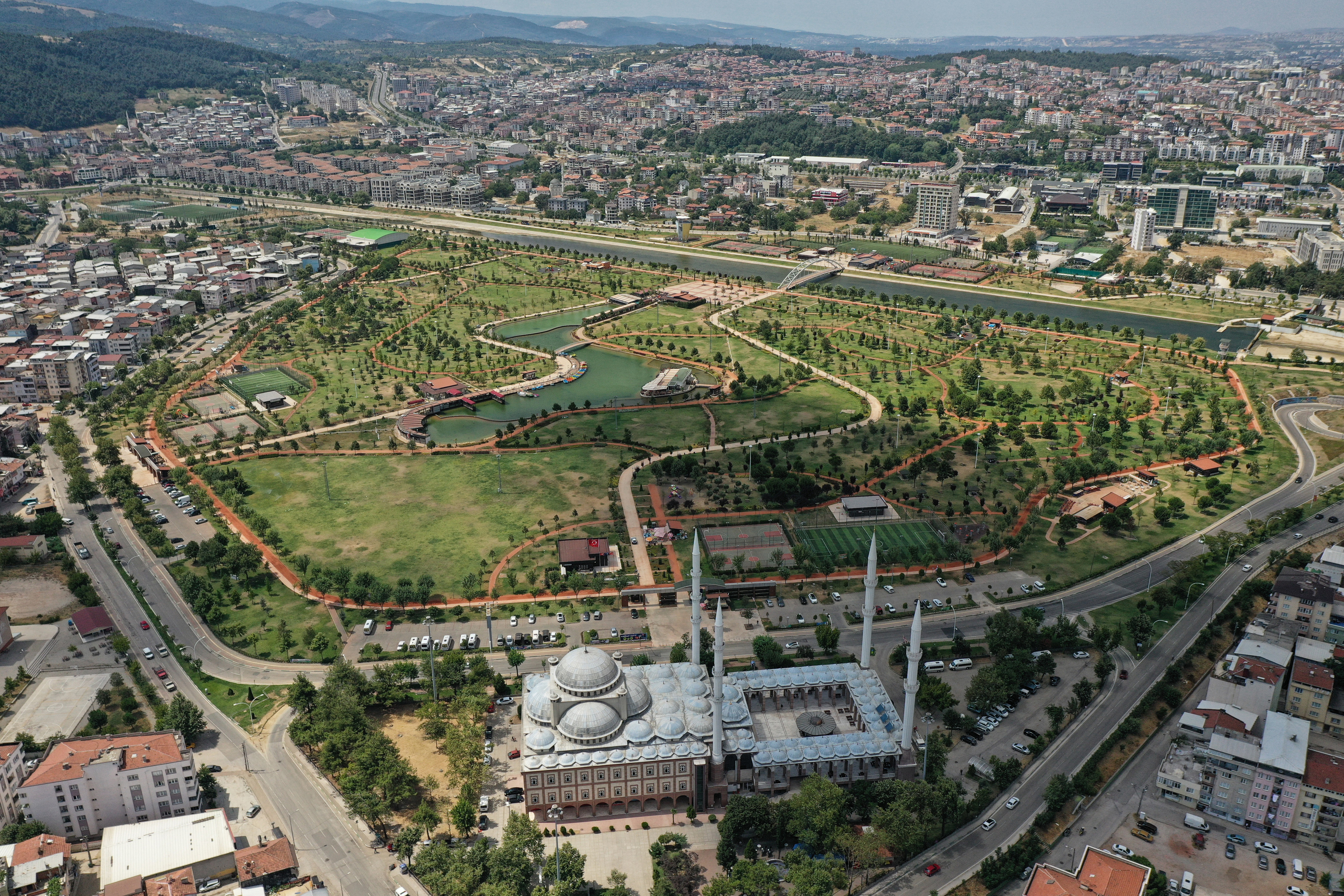

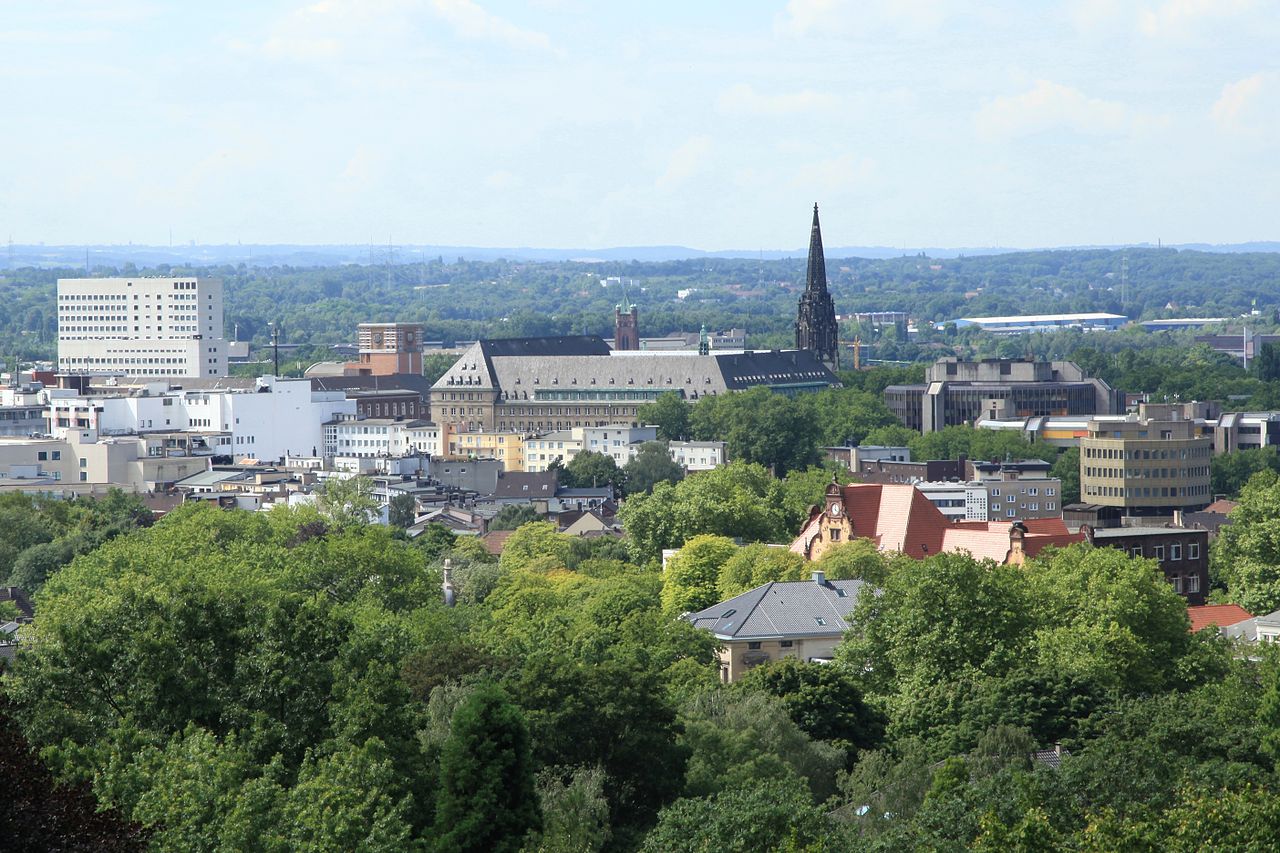
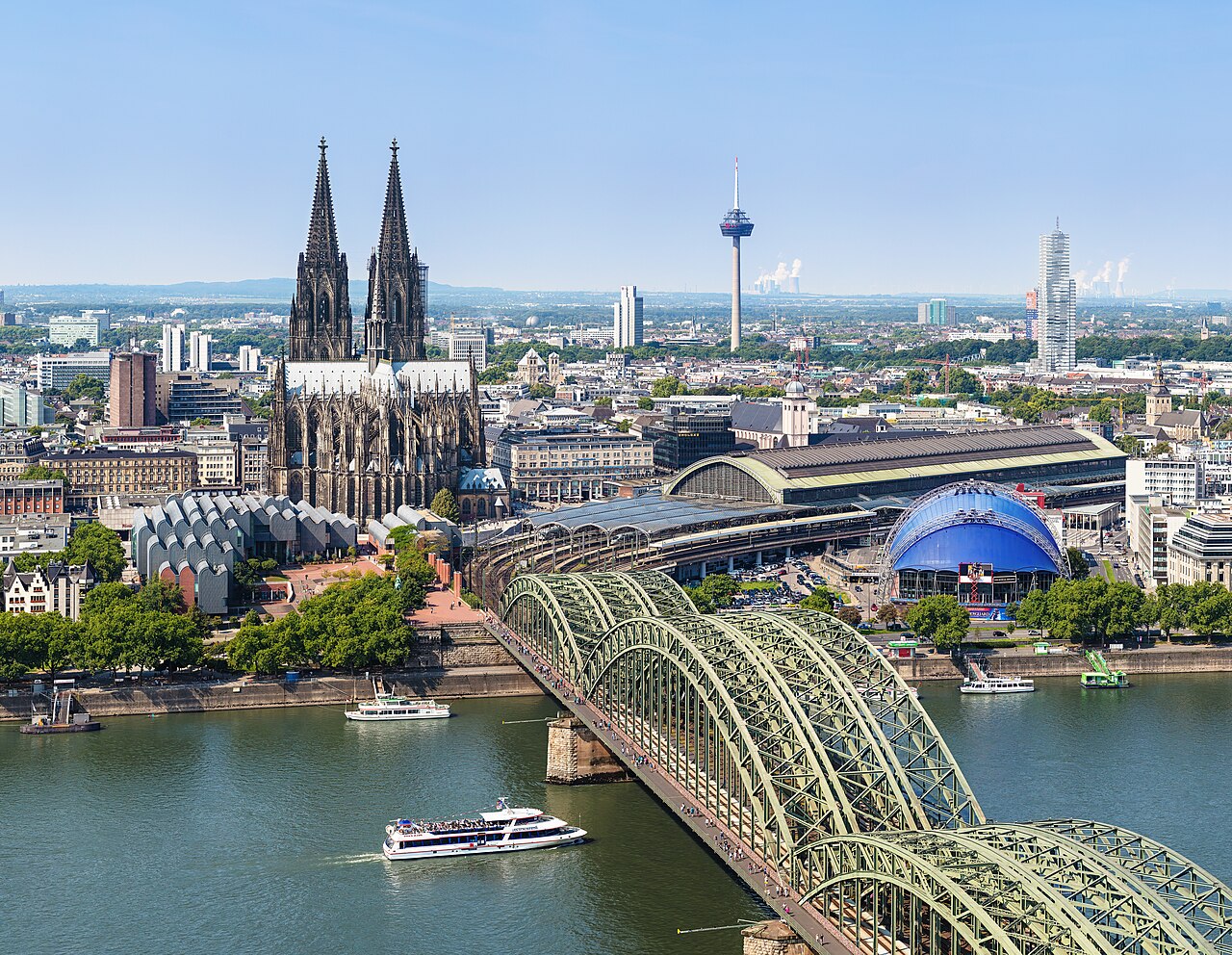
The Türkiye consortium: Hepsijet, Osmangazi Municipality, and Uzay Tech
Three strategic Türkiye actors reinforce each other. Hepsijet — Türkiye's leading last-mile delivery operator — provides real-world fleet data and operational pilot capacity. Osmangazi Municipality, one of Bursa's central districts, opens its urban infrastructure, permitting processes, and local stakeholder network to the project. Uzay Tech develops the intelligent control systems, telemetry flows, edge analytics, and operational environment intelligence layers.
Co-creation methodology
The most distinctive aspect of PROMISE is that its development methodology rests entirely on co-creation. Municipalities, citizens, transport operators, academics and engineering companies come together to define, test and revise the decision-support tool jointly. The approach prevents top-down technology dictates and instead produces solutions that answer real user needs.
Uzay Tech's role inside this methodology is built on digitising field observations, turning user feedback into meaningful signals within the telemetry flow, and porting the policy decisions of different city administrations onto a shared analytics fabric. This requires far more than a classical software delivery — it demands working at the intersection of urban sociology and technical engineering.
5
European pilot cities
15 min
City vision
DUT
EU programme framework
Expected outputs
By project end, PROMISE will deliver an open-access micromobility decision support tool for city planners, a feasibility report distilling pilot findings from the five cities, and policy recommendations for scaling micromobility policies across Europe. The project outcomes align directly with EU Green Deal and Sustainable Urban Mobility Plan (SUMP) objectives.